


Uncover Hidden Faults with Expert Earthing Audits
Earthing audit by InterTech checks the health of your complete earthing system. The earthing system is buried underground and cannot be seen, so it suffers from the “out of sight is out of mind” syndrome.
Our earth testing finds faults in the hidden parts before they cause trouble. We carry out soil testing and audits the soil before designing the earthing system.
| +91-97171 60764
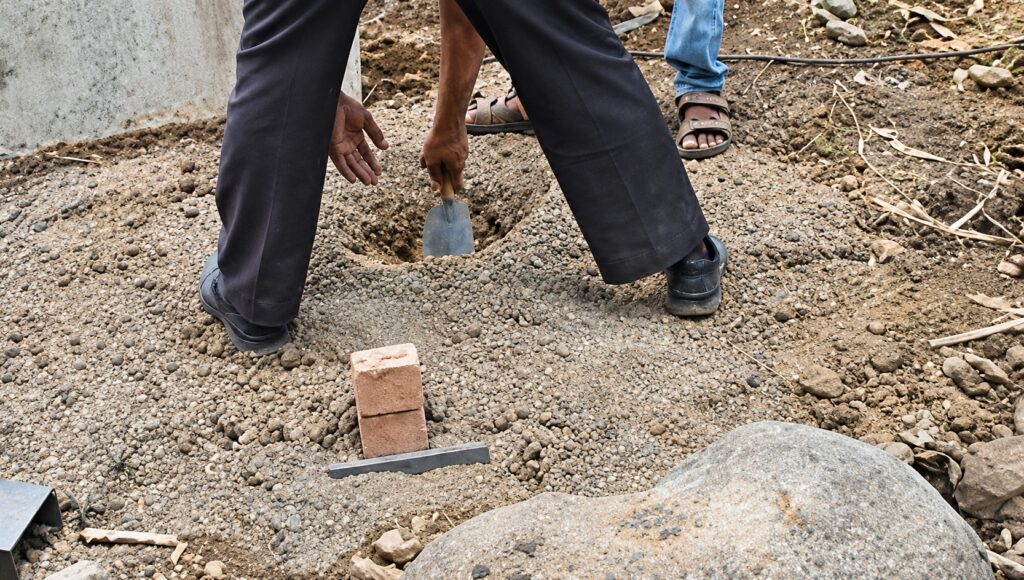
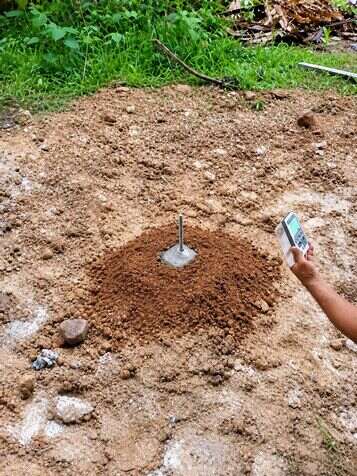
An earthing audit is a site inspection and test of your complete earthing system: the earth conductor (strip), earth plate, earth electrode and the earth grid or mat.
Because these parts are buried or hard to reach, they tend to be taken for granted or ignored, though they matter to every earthing system.
Some clients call this a grounding audit. It is the same work. If you also need an electrical audit or a fire audit, mention it when you write to us.
Soil resistivity and soil analysis are the key factors for an effective earthing system design, and so the performance, of an electrical earthing system.
Soil analysis is the starting point of any earthing design. A soil resistivity test before installation tells the engineering team what the ground will allow, so the earthing system design rests on measured data.
See how we use it in our design of earthing system service.
InterTech carries generally carries out the following tests during an earthing audit:
measures how well the ground conducts. We use a soil resistivity meter.
measures the resistance of the existing earth electrode and the earth pit. The result goes into your earth resistance test report.
checks that the earth conductor path is unbroken from the equipment to the earth electrode.

Fill the enquiry form or call us with your site location.

Our engineers carry out the soil resistivity, earth resistance and continuity tests and inspect the earthing components.

We prepare your earthing audit report with measured data, defects and photographs.

The report recommends how to fix each defect
The usual turnaround from enquiry to report is 7 to 14 days. The audit is a paid service. Write or call us for a quote.
If the audit shows a weak earth pit, InterTech can help you with the right earthing system designed to your needs.
Marconite earthing is the best earthing solution in India: a sustainable, maintenance-free, chemical free earthing system with a 25 year warranty, and the product can perform for 50+ years.
InterTech is the only company authorised to sell Marconite in India, directly or through its authorised dealers.
See why Marconite earthing suits tough soil, or ask about a new installation and commissioning.
Soil testing, or the soil resistivity test, measures the ground before you design or install. An earthing audit checks an existing system. InterTech carries out soil resistivity, earth resistance and continuity tests as part of its audit service.
Re-testing of soil resistance is normally not required for a Marconite earthing system. It is still advisable to test the resistance values of any installed earthing, and to test the soil before a new installation.
The usual turnaround from enquiry to report is 7 to 14 days from the date of receipt of payment in advance.
Yes. We serve clients across India.
Measured data at site, anomalies and defects observed, recommendations for rectification and site photographs.
The report recommends how to rectify it. InterTech can then supply and install Marconite earthing. Our guide to earth resistance values in India explains what to expect for a specific industry or application.
No. It is a paid service. Tell us your site location and what you need tested. Write to , call +91-97171 60764, or use the enquiry form.
Direct Share or Chat on Whatsapp
Enter Country Code Without (+)